Best Time to Visit Japan: Weather, Festivals & Saving Tips
Planning a trip to Japan? Discover the best time to visit for cherry blossoms, autumn foliage, and the cheapest flights with our month-by-month guide.
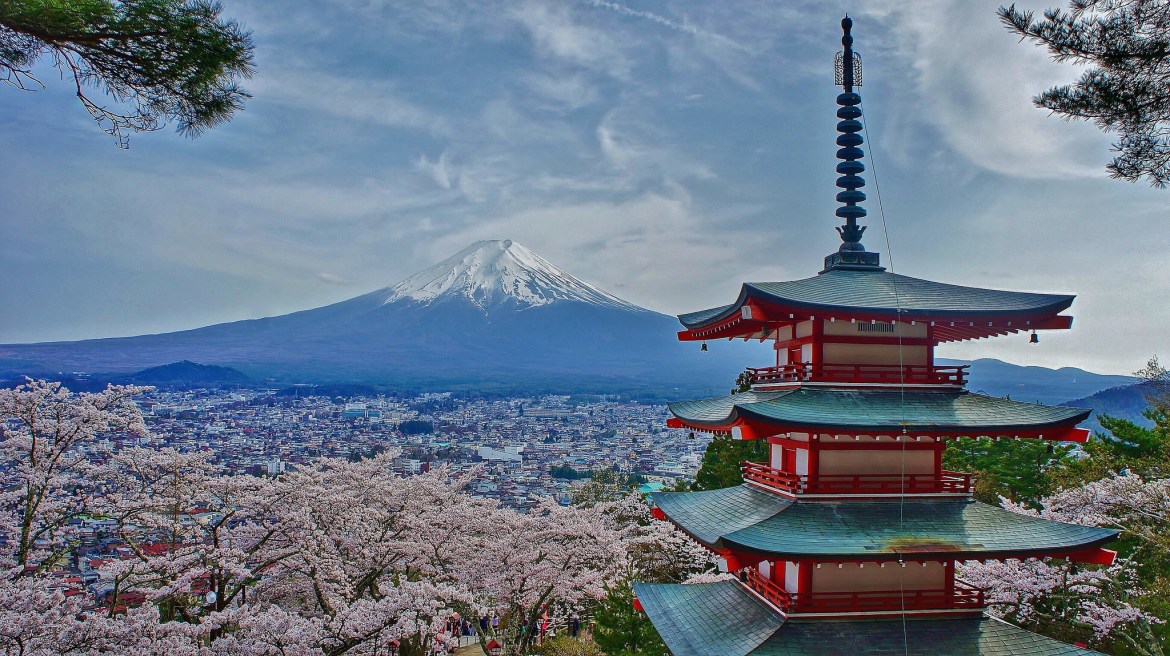
Strategic Seasonal Overview
Japan’s geography stretches nearly 3,000 kilometers from the subarctic wilds of Hokkaido to the subtropical beaches of Okinawa. Consequently, the "best" time to visit depends entirely on whether you are hunting for powder snow, pink petals, or neon-lit summer festivals.
The Four Pillars of the Japanese Calendar
- Spring (March to May): The most iconic window. Temperatures are mild (12°C–20°C), and the country is blanketed in sakura (cherry blossoms). This is peak tourism season.
- Summer (June to August): Hot and humid. June brings the tsuyu (rainy season), followed by a sweltering July and August. However, this is the prime time for matsuri (festivals) and spectacular fireworks displays.
- Autumn (September to November): Widely considered the best time for photography. The koyo (autumn foliage) rivals the cherry blossoms in beauty, with cooler, crisp air and stable weather.
- Winter (December to February): Dry and sunny on the Pacific side (Tokyo/Kyoto) but heavy snow on the Sea of Japan side. Essential for skiers and those wanting to see the snow monkeys in Nagano.
Month-by-Month Weather & Climate Guide
| Month | Avg Temp (Tokyo) | Precipitation | Season Status | Highlights |
|---|---|---|---|---|
| January | 5°C (41°F) | Low | Low | Skiing, New Year shrines |
| February | 6°C (43°F) | Low | Low | Sapporo Snow Festival |
| March | 9°C (48°F) | Medium | Shoulder/Peak | Early plum & cherry blossoms |
| April | 14°C (57°F) | Medium | Peak | Full bloom sakura, crowds |
| May | 19°C (66°F) | Medium | High | Golden Week, lush greenery |
| June | 22°C (72°F) | High | Low | Rainy season, hydrangeas |
| July | 26°C (79°F) | Medium | Shoulder | Mt. Fuji climbing, Gion Matsuri |
| August | 28°C (82°F) | Medium | High | Obon, fireworks, humidity |
| September | 24°C (75°F) | High | Shoulder | Late summer heat, typhoons |
| October | 18°C (64°F) | Medium | High | Fall colors (North), mild air |
| November | 12°C (54°F) | Low | Peak | Fall colors (Central), dry air |
| December | 8°C (46°F) | Low | Low | Illumination, clear Fuji views |
Peak vs. Shoulder vs. Low Season
Peak Season: The Sakura & Golden Week Crush
Late March through early April is Japan’s busiest window. Domestic and international travelers descend on Kyoto and Tokyo for the cherry blossoms. Hotels frequently double their rates, and popular shrines involve significant queues.
Another critical peak is Golden Week (late April to early May). This is a cluster of four national holidays. Avoid traveling during this time if possible, as trains are fully booked and locals take their own vacations, driving prices to their annual maximums.
Shoulder Season: The Sweet Spot
Late May, September, and October represent the best value. In late May, the crowds from Golden Week disperse, but the lush, vibrant green of the Japanese countryside is at its peak. October offers the first hint of autumn chill without the massive crowds that arrive in late November for the red maples.
Low Season: The Budget Traveler's Dream
January and February (outside of Chinese New Year) are the cheapest months to visit Japan. While the air is biting, you will enjoy crystal-clear blue skies in Tokyo and significantly lower accommodation costs. This is also the only time to experience the legendary "Japow" (Japan powder) in Niseko or Hakuba.
Cultural Highlights and Festivals
Japan’s festival calendar is dense. If you can time your visit to coincide with these, you will witness a side of Japanese culture that remains unchanged for centuries.
- Sapporo Snow Festival (February): Massive, intricate ice sculptures in Hokkaido’s capital.
- Kyoto Gion Matsuri (July): One of the most famous festivals in Japan, featuring massive floats pulled through the streets of Gion.
- Tenjin Matsuri (July): Osaka’s premier festival, featuring a river procession and fireworks.
- Nebuta Matsuri (August): Located in Aomori, this features giant, illuminated paper floats and energetic dancing.
- Takayama Autumn Festival (October): Often cited as one of Japan’s most beautiful, featuring ornate 17th-century floats.
The Cheapest Time to Fly to Japan
Historically, the cheapest time to fly to Japan is mid-January through February. Mid-week flights in June can also be affordable due to the rainy season. To save money, avoid flying during:
- New Year (Dec 29 - Jan 4): Prices skyrocket as families return home.
- Golden Week (Late April - Early May): High domestic demand.
- Obon (Mid-August): A major Buddhist holiday where travel demand peaks.
For the best rates, book international flights at least 4 to 6 months in advance, especially if you are targeting the cherry blossom window. Consider flying into Osaka (KIX) instead of Tokyo (NRT/HND), as budget carriers often offer competitive rates into the Kansai region.
Final Recommendations
- For Nature Lovers: Target mid-October for Hokkaido or late November for Tokyo/Kyoto to see the maples.
- For Hikers: The official Mt. Fuji climbing season is limited to early July through early September. Outside this window, the trails are closed and conditions are dangerous.
- For Foodies: Winter is the best time for crab and hot-pot (nabe) dishes, while autumn is famous for matsutake mushrooms and fatty mackerel.
Plan this trip in seconds
Turn this guide into a day-by-day itinerary with weather, costs and a packing list.
Open the AI trip planner